The lightest paddles
in the industry.
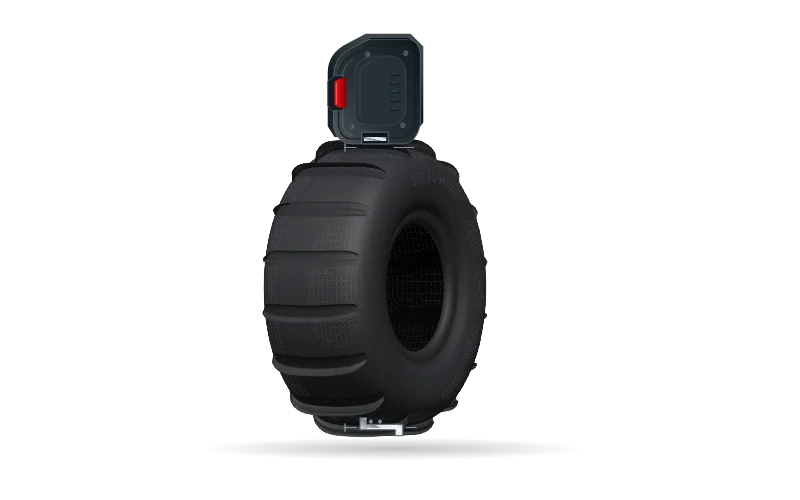
Sand Light, Big Foot, Stitch, Rough Buff and SDS — designed in Clearfield to our spec, sized by wheel, and weighed before anything else.
The lineup
Pick by power. Pair by family.
Four rear paddles and four fronts. Weight comes first on each card because it is the number that changes how the car drives.
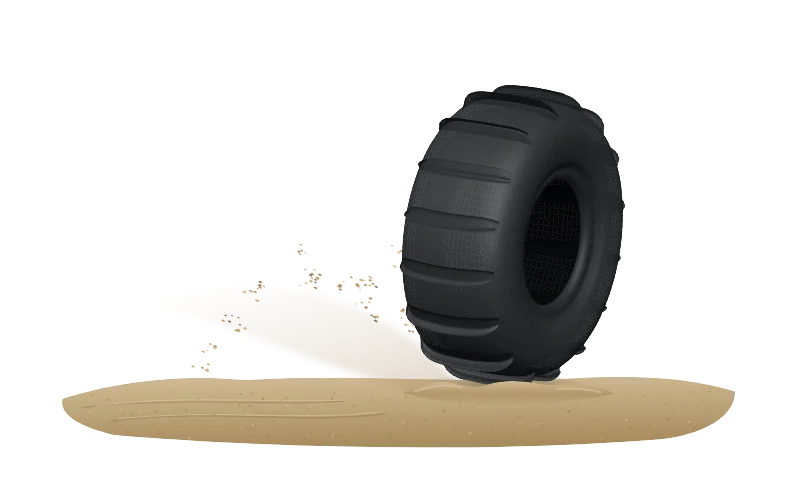
 Rear paddles

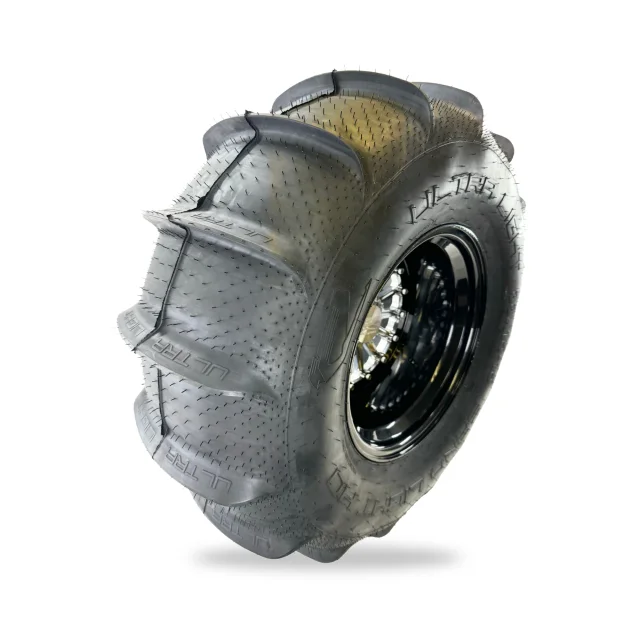
Sand Light
- Stock to about 300 hp
- 31 and 32 inch
- 1 1/16" paddle, HO adds a quarter inch

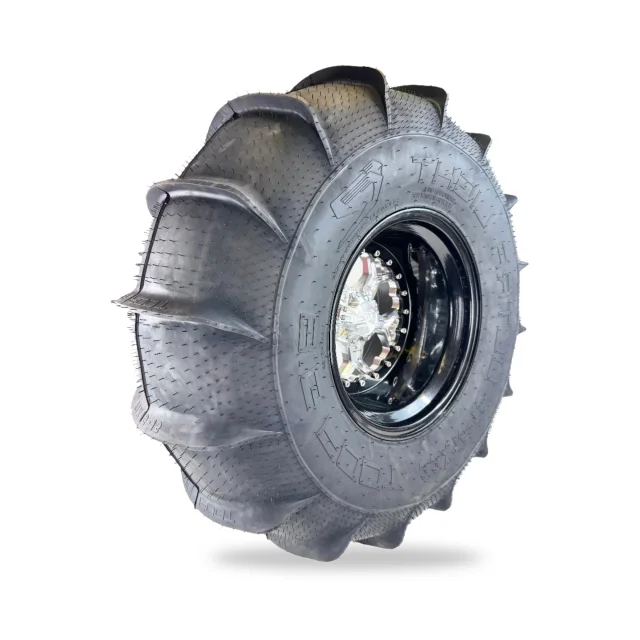
Big Foot
- 175–350 WHP
- True 33 to 35 inch
- 1 1/16" paddle, 16 or 18 paddles

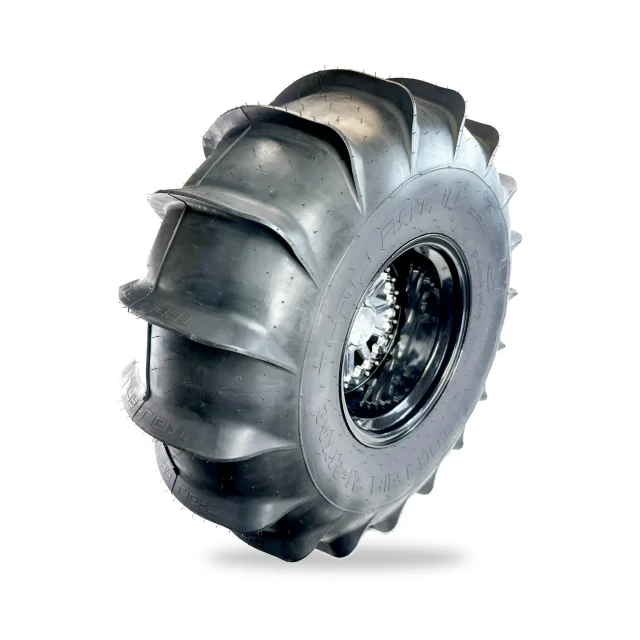
Big Foot HO
- 250+ WHP
- True 33 to 35 inch
- 1 5/16" paddle, 18 paddles

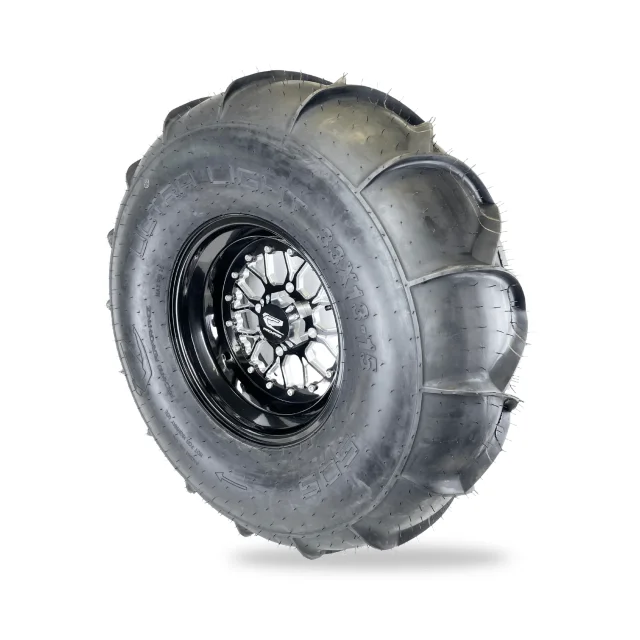
SDS
- Sand, dirt and snow
- 33 x 13 and 33 x 15
- .80" paddle
 Front tires

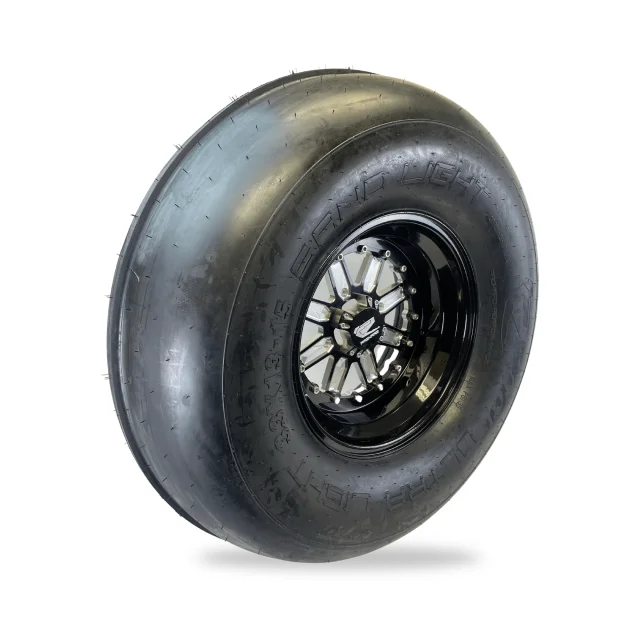
Sand Light Steer
- Every side-by-side
- 31 and 32 inch
- 1" x 1/2" steer rib

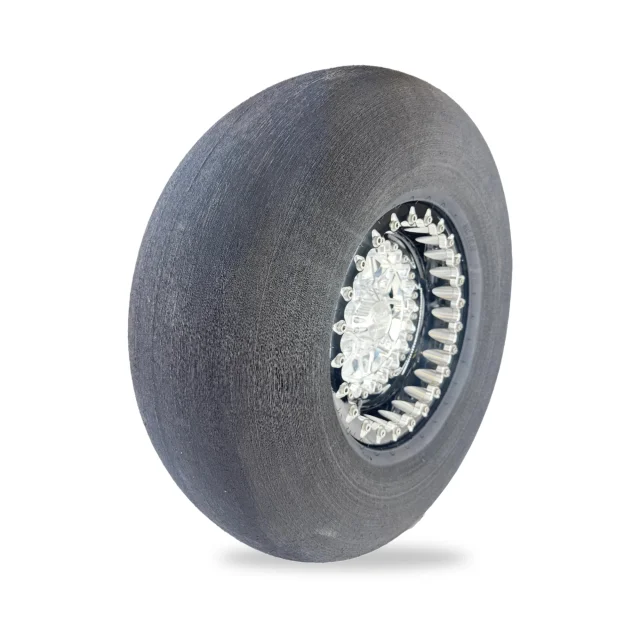
Rough Buff
- Every side-by-side
- 31 to 35 inch
- Buffed bead to bead

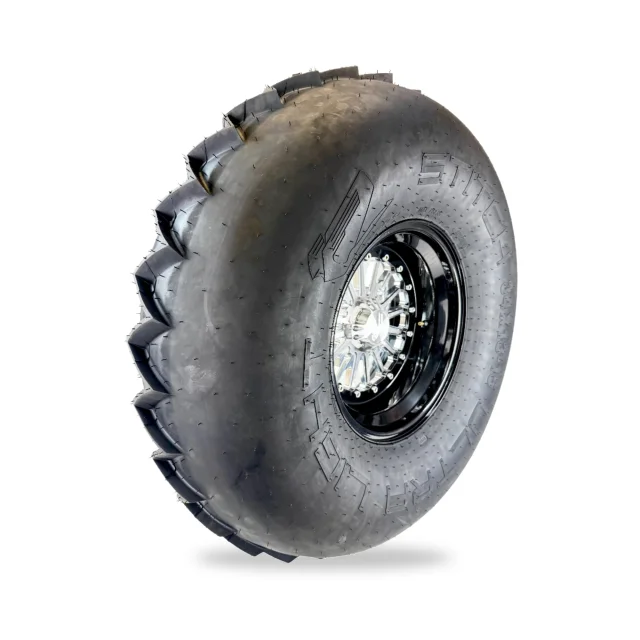
Stitch
- AWD front traction
- True 33 to 35 inch
- 3/4" angle-cut paddles

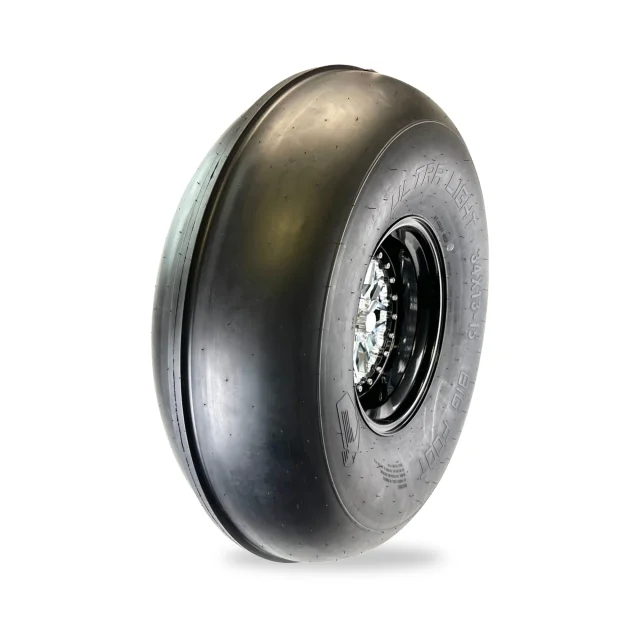
Big Foot Steer
- Stays on top, stops trenching
- True 33 to 35 inch
- 1" x 1/2" steer rib
 Every tire and size ↓
 What fits your machine →
 Where to ride →
Hook up and go.
Glamis, Dumont, St. Anthony, Sand Mountain — on the tires that do not dig.
 Why weight wins
Every pound off the tire is worth more than a pound off the car.
Your engine has to spin the tire, and your suspension has to control it. Tires are both rotating and unsprung mass. That’s why weight comes first in the Packard tire lineup.
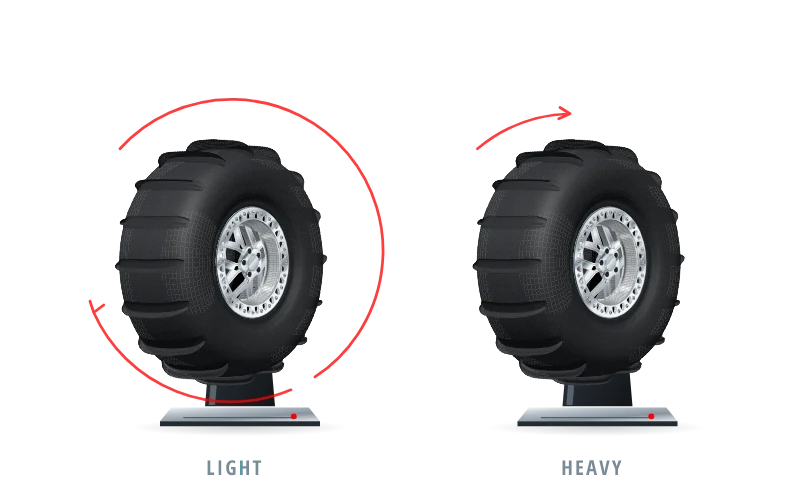

Quicker throttle
Less rotating mass to spin up, so the car answers the pedal.

Faster spool
Turbo and supercharged cars come on boost sooner.

Suspension that reacts
Less unsprung weight keeps the tire planted through chop.

Easier on belts
Less load through the clutch and belt on every hit.
Sand Light or Big Foot?
What does comp cut do?
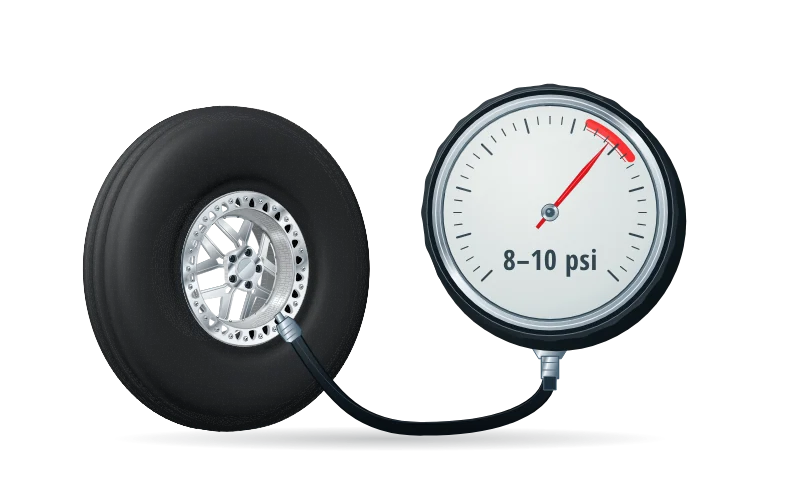
What pressure should I use on sand?
Packard’s listed sand range is 8–10 PSI. Check your tire’s product page for its setup details.
Do the printed sizes match?
Sand Light carcasses measure about an inch shorter than printed. Big Foot and Stitch are true to size, measured without tread height.